Computational mechanics
Multi-physics modelling
Signal analysis
Experimental sensing
Profile
Research trajectory
Two connected research chapters show a progression from numerical multi-physics theory to experimental intelligent sensing.
Doctoral Research
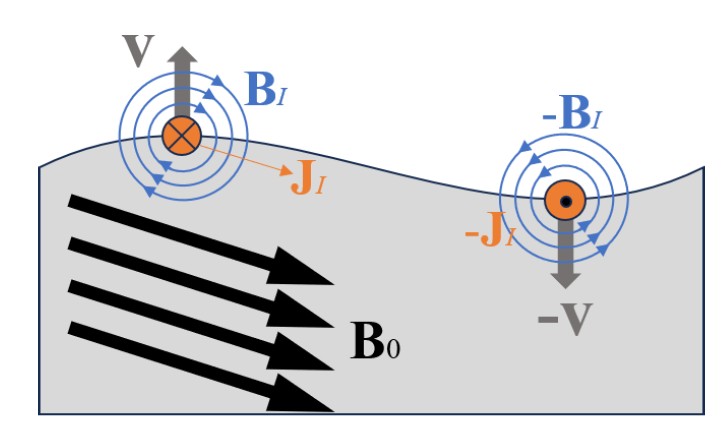
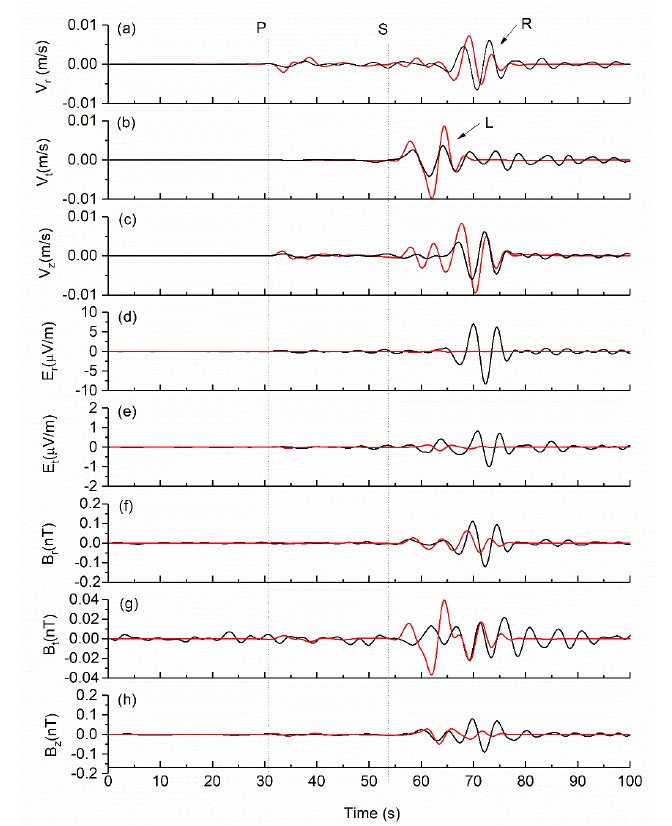
Earthquake electromagnetic modelling
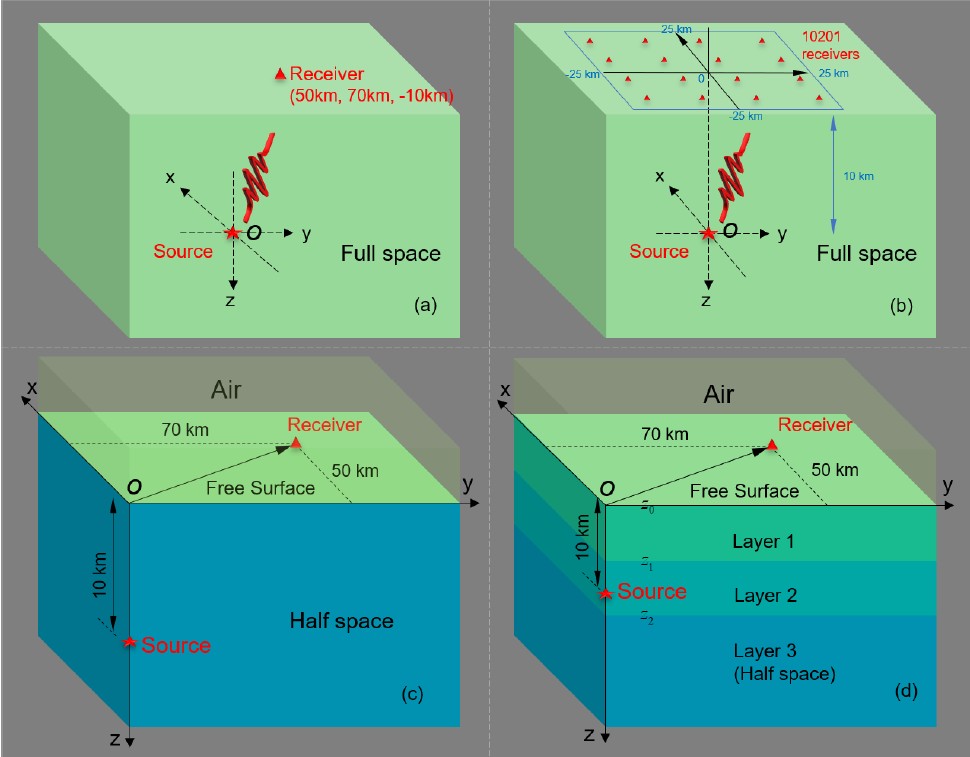
Mechanisms and numerical models
Read thesis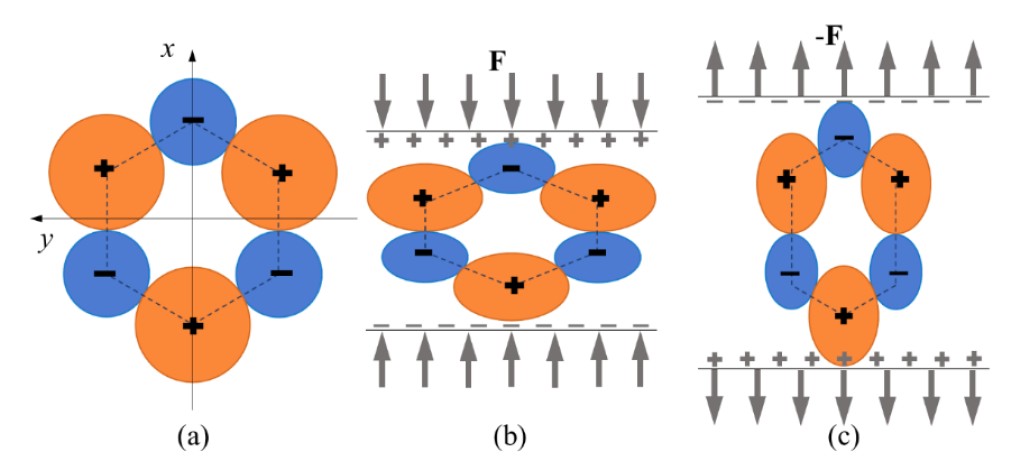
Postdoctoral Research
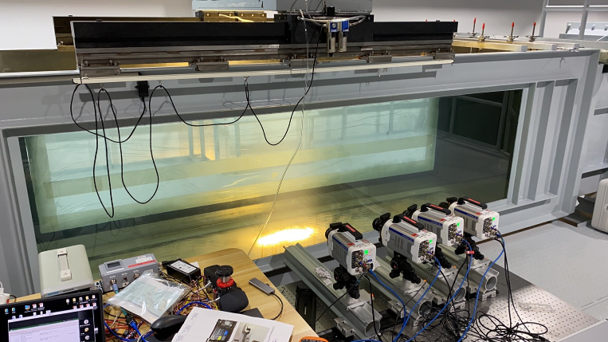
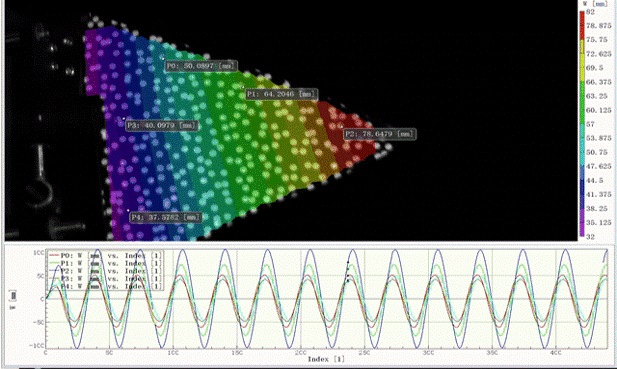
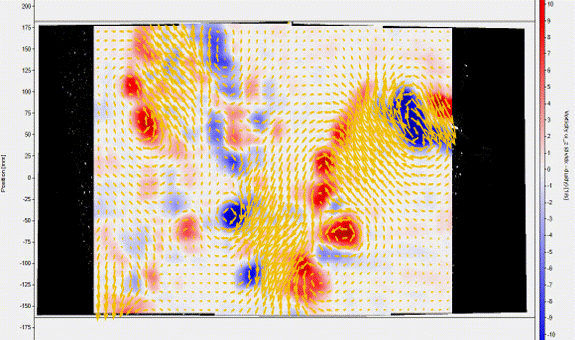
Intelligent sensing for bio-inspired robots
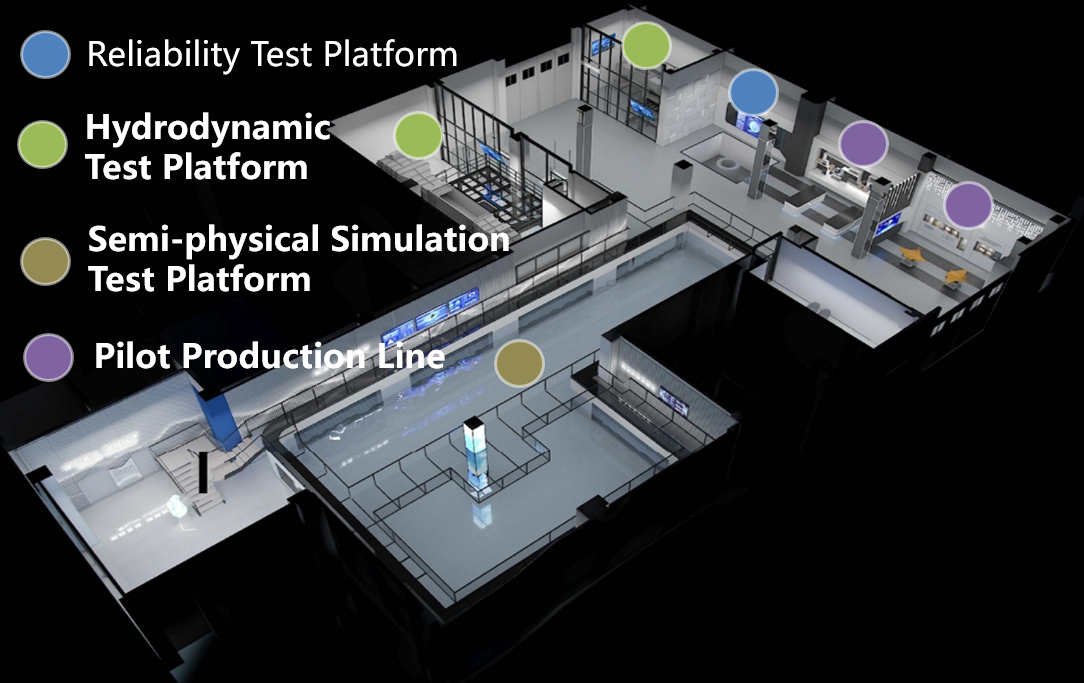
Experimental capability
From soft structures to interpretable signals.
Supporting Evidence
Selected scholarly and technical work
The JGR papers support the doctoral research chapter and are retained as direct, verifiable links rather than defining the current underwater-robotics work.
JGR: Solid Earth
Background
Methods and education
A concise profile of scientific training and practical methods for research and engineering contexts.